
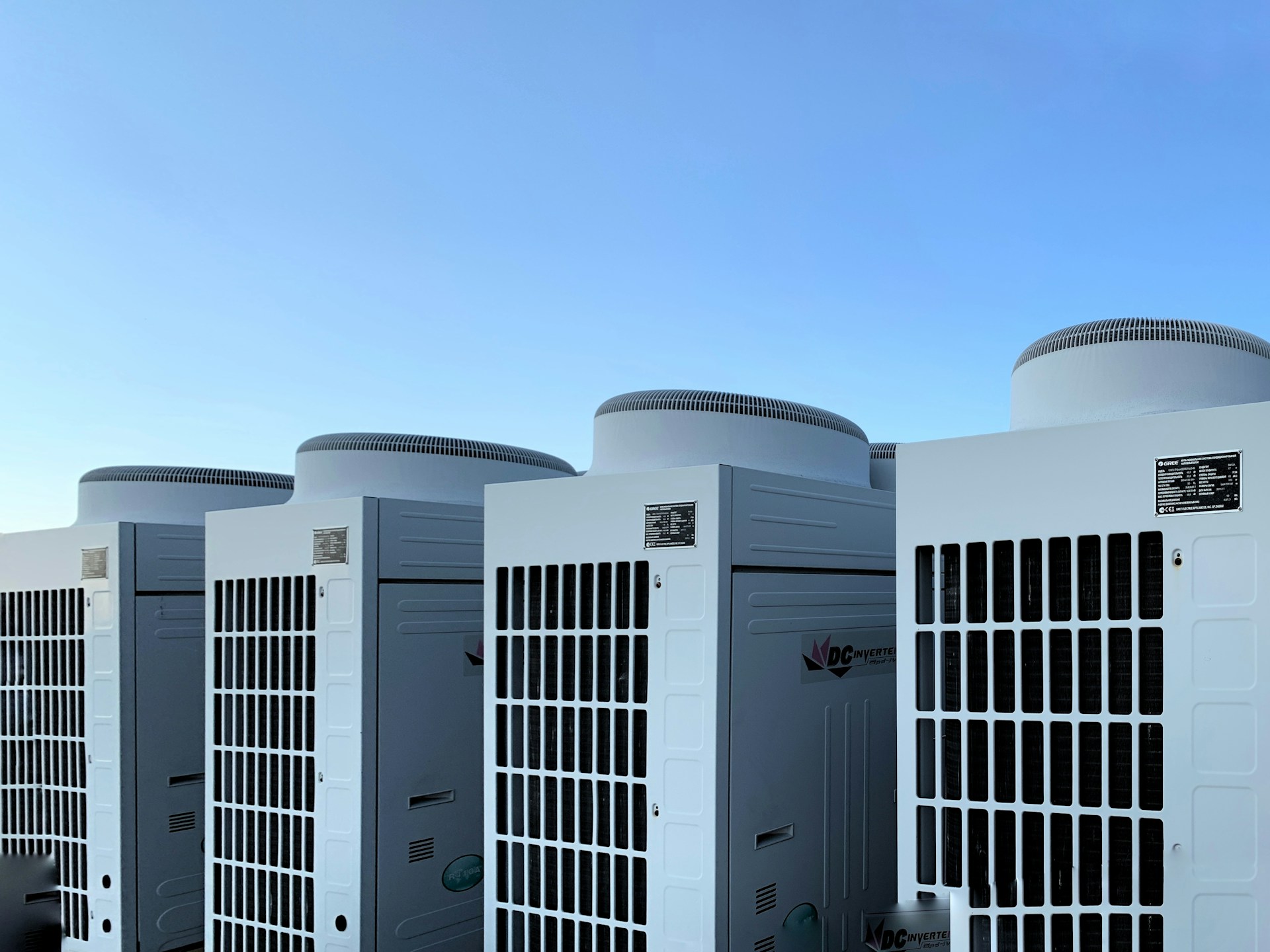
Delivering chillers into busy areas is not always easy. Temporary chiller hire in London often means working in tight spaces where access is limited, traffic is heavy, and timing really matters. In spring, as buildings start to switch from heating to cooling, there is usually a bit of a rush to get equipment in place without disrupting daily operations.
London Climate Hire specialises in the installation of short and long-term chiller hire in London and local counties, with 24/7 hire and support, so we can respond quickly when delivery slots and onsite access become available.
London streets are crowded by nature, and commercial deliveries have to be carefully timed and thought out. Whether a building’s rear loading bay is blocked or small alleyways become the only access point, being prepared goes a long way. We have found a few good ways to plan ahead so deliveries run smoothly and keep things moving.
Planning Ahead for Built-Up Areas
Before scheduling a delivery, it helps to walk the site or review the layout. Urban zones usually come with restricted parking and limited entry points. Rushing through without checking the setup can lead to hold-ups and extra costs. When we know what to expect, everything goes more smoothly.
We try to look ahead at common barriers by considering the following points:
- Loading access that requires prior approval or timed entry
- Height limits at entrances that could block taller gear
- Roads requiring permits during certain hours or zones needing advance notice
Early action on bookings can save time as well. Some sites need permits submitted several days before the delivery date. When possible, doing a site survey beforehand makes a difference. It shows us where vans can unload safely, highlights any staircase access, and makes everyone more confident on the delivery day.
Planning Routes and Time Windows
Busy roads and narrow streets leave very little room for error, especially during the day when schools, buses, and building work clog up access. That is why every job starts with looking at the route options and setting travel times outside the worst of London’s weekday traffic.
We usually keep in mind these points when planning:
- Avoiding the school run hours near drop-off zones
- Checking for planned road closures or utility work
- Sticking to borough-specific delivery rules to avoid surprise fines
Apps and council travel updates often help us make last-minute tweaks if something unexpected comes up. We do not take chances with congestion if we can help it. When delivery windows are tight, sometimes only 30 minutes long, it pays to be precise.
Coordinating with Onsite Teams and Neighbours
When working in or near residential blocks or shared office spaces, good communication helps a lot. A smooth delivery depends on more than just getting the equipment to the door. It involves working closely with the right people ahead of time.
We usually do this whenever possible:
- Contact on-site building managers or site security to confirm schedules
- Speak to site supervisors to avoid overlap with other trades using the same space
- Notify nearby businesses or neighbours if shared footpaths or narrow access lanes are required
When everyone is on the same page, last-minute surprises are easier to handle. Sharing the plan early means there are fewer headaches later.
Equipment Setup in Compact Spaces
Many central London buildings were not built with large cooling units in mind. That means we are often working around tight corners and small holding areas.
Picking the right unit for those tight fits matters. Walking the path from drop-off to install is important, as even that last metre to the corner can make or break the setup. For tight internal routes, we often select compact 70 kW and 80 kW chillers from our fleet, as their small footprint and integrated pumps are designed to make handling and setup in confined spaces simpler.
To avoid snags on the day, we take steps like:
- Measuring doorways, stairways, and lifts in advance
- Choosing smaller, narrower units for indoor or high-rise setups
- Running pipework and cables with care so they do not become hazards
Having ramps or temporary platforms tested beforehand can turn a tricky route into a workable one.
Staying Flexible in a Fast-Paced City
Plans sometimes need backup. In a city like London, traffic patterns and loading zones can change without much notice. We stay ready to adjust if the main plan is not an option.
We keep flexible by doing the following:
- Keeping contact with local site managers up to the last minute
- Having a parking or setup backup spot in mind
- Choosing mobile equipment that can be wheeled or lifted safely without too much kit
We have seen deliveries where road closures happen on the morning of arrival. In other cases, scaffolding suddenly blocks rear access. Having options means we do not miss a window or stall the project.
Getting It Right the First Time
Temporary chiller hire in London can feel like a race against the clock, especially in narrow and busy spots. But it does not have to be stressful. When we plan early, ask the right questions, and stay flexible, things tend to slot into place.
Even when the streets are crowded and the delivery point is not perfect, most challenges can be worked through. Putting time into the small details, checking the site, knowing the traffic flow, and talking to the right contacts means fewer surprises and smoother setups from start to finish.
At London Climate Hire, we know that organising cooling equipment delivery in and around central London can be challenging. Planning ahead really helps, especially with narrow streets, limited access, and tight delivery schedules. From office blocks to commercial facilities, we support your business with reliable solutions like temporary chiller hire in London to minimise downtime and keep everything running smoothly. For a fast, stress-free setup, simply give us a call, our team is ready to help.