
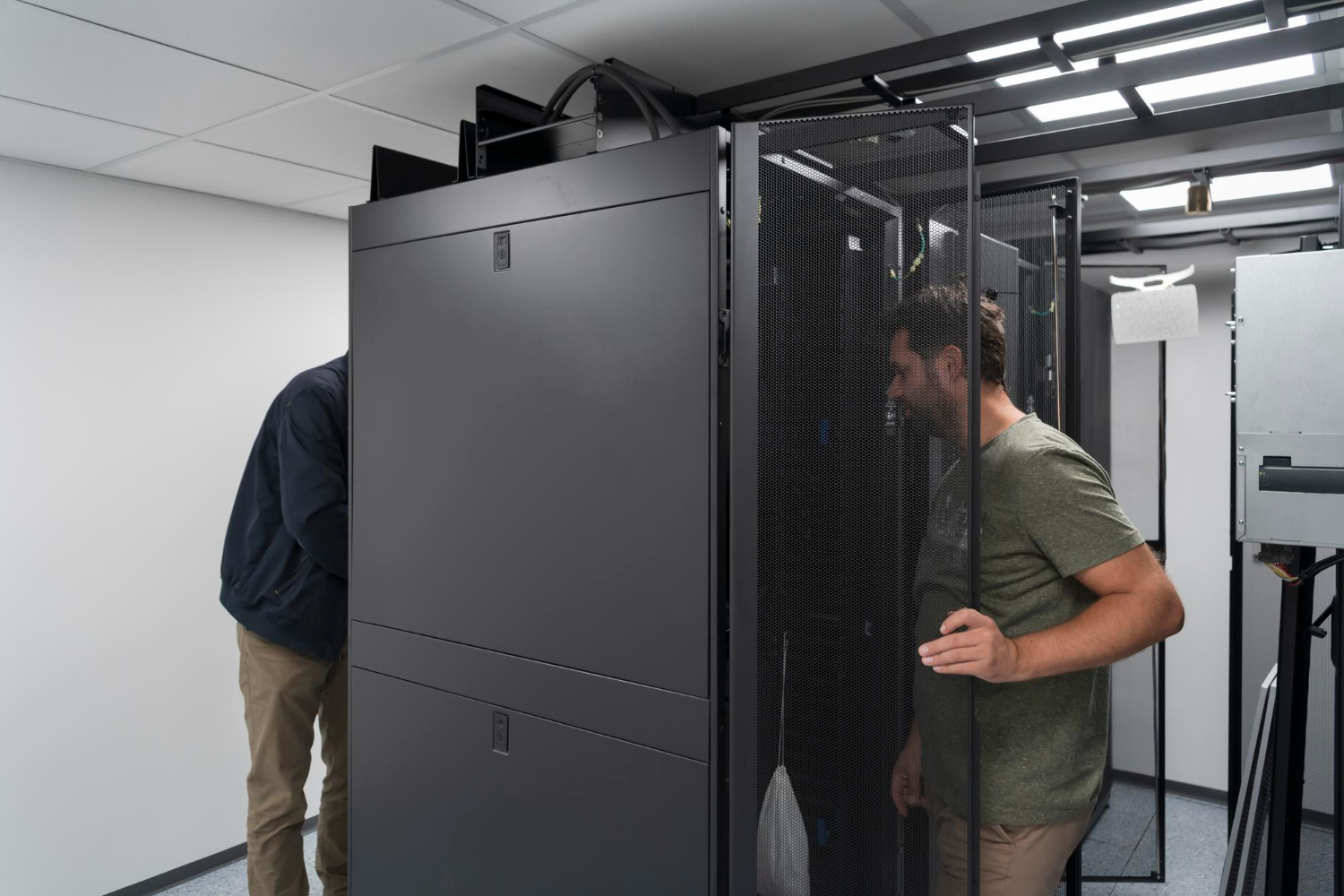
When permanent cooling systems stop working, server rooms are often the first spaces to feel the impact. These rooms are packed with active equipment that generates constant heat, making them some of the warmest spots in any building. In a city like London, where spring weather can change almost by the hour, it’s risky to assume cooler outdoor temperatures will offer much help indoors. Rainy mornings might give way to sunny afternoons that bump up the temperature across confined, tech-heavy spaces.
This is where proper planning makes a difference. Machines don’t wait for repairs, and rising temperatures in server areas can cause as much disruption as the original fault. From quick maintenance jobs to major system replacements, temporary chiller hire can give us the time and flexibility we need to protect equipment and keep things stable while permanent systems come back online. London Climate Hire provides short and long term chiller hire across London and nearby counties, with engineers on call 24 hours a day, 7 days a week to respond when cooling fails unexpectedly.
Why Server Rooms Are So Sensitive to Heat
Server rooms are built to run all day, every day. That much activity means they’re always placing a demand on the cooling system, with very little relief. Unlike staff areas or storage spaces that remain empty overnight, servers keep going long after most of the building has gone quiet. The result is a higher baseline temperature, often several degrees warmer than the rest of the building.
Even short-term heat spikes can be enough to cause issues like:
- Sudden shutdowns triggered by equipment safety settings
- Sluggish performance or data errors due to overheating
- Damage to internal components from repeat exposure to high temperatures
The size of the room doesn’t always give a clear picture of risk either. A compact server cupboard might have multiple hot-running machines stacked closely together, leaving very little airflow. It’s easy to misjudge how fast heat builds up in these kinds of spaces.
What Happens When Cooling Systems Fail
Cooling systems can go down for all sorts of reasons. Sometimes it’s a planned repair or upgrade. Other times, faults pop up without warning. Either way, the gap between shutdown and full system recovery leaves server rooms at risk.
Without proper backup, we might run into problems such as:
- Heat rising gradually before anyone notices, putting hardware under stress
- Internal fans and spot coolers working overtime but failing to keep up
- Build-up of humidity that threatens electrical safety and increases corrosion
Even in early spring, when mornings in London can feel cool, the internal temperature in server rooms can rise quickly once main cooling systems are off. Warm spells are not unusual at this time of year. It doesn’t take much sun through a window or extra heat from nearby machinery to make matters worse.
How Temporary Chillers Help Bridge the Gap
When heat starts climbing and the risk of shutdown grows, temporary chillers can offer quick, effective relief. They support stable temperatures by adding targeted cooling without relying on the main building system. We can place them near affected rooms or just outside the building to reduce disturbance.
What makes them helpful is their flexibility. With the right planning, chillers can be brought in for just a few days or set up for longer periods while other works take place. Rather than trying to stretch an underpowered backup unit or shifting equipment to another part of the building, we can respond directly where the need is.
They don’t always require complex installation either. Many units are portable and can be connected through windows, side doors, or service access points that keep disruption to the daily flow fairly minimal.
What to Consider When Choosing a Setup
Not every cooling setup works the same way or fits well in every server room. Picking the right system depends on a few key things. Before anything arrives on site, we normally look at:
- How big the room is and how much heat the equipment gives off
- Whether outside air can be used to help or if airflow is blocked
- What power supply is available and whether it can safely support the unit
Pipe routes and drainage need attention too. Loose hoses running across staff areas or through key corridors may not be safe or practical. That’s why we always walk through the space first. It helps avoid problems like blocked exits, trip hazards, or units that lose airflow or cooling power because of poor placement. Some hire chillers in our fleet, such as a 300 kW low ambient model, are designed to operate in outdoor temperatures down to around -45 °C, which helps maintain stable cooling even when spring nights stay cold.
Light planning early on can save time and prevent more serious issues once the system is running. That planning often starts well before the cooling actually fails.
Staying Ready Before the Next Heat Spike
March through May is a good window to test what’s already in place and make sure we’re set before warmer weather arrives for good. Once we reach mid-spring, we know higher temperatures are coming. Rather than waiting until the first heat alert, this is the time to prepare.
Some of the steps we often take include:
- Checking which parts of the building are hardest to cool and which matter most
- Making a list of quick access doors or service hatches for faster chiller setup
- Confirming power points and airflow plans months before the busy season hits
Server rooms can’t wait hours once something fails. Having the basics ready means we can act quickly, even if it’s just for a short burst of heat during early summer weeks. It’s not always about long-term hires, it’s about having a stopgap that works when it’s needed.
Cool Heads Keep Systems Running
No one wants to realise too late that a bit more planning could have kept things safe. Server rooms leave very little margin for error when heat rises. Once the risk is clear, action has to be fast. That’s where temporary cooling becomes part of a strong plan, not just a last-minute fix.
By thinking early and working through the details while spring weather is mild, we lower the chance of serious disruption later on. The better the prep, the easier it is to keep systems steady even when the permanent ones go offline. It’s not just about comfort, it’s about staying online when every second matters.
Keeping server rooms stable takes more than luck, especially during spring when temperature swings can catch us off guard. When cooling dips or fails altogether, fast action becomes the only option. That’s why we rely on flexible setups like temporary chiller hire to manage short-term risk without added hassle. At London Climate Hire, we stay ready for whatever the London weather sends our way. Whether you want to plan ahead or need rapid support, contact us today.