
February often brings its own kind of trouble. The weather turns sharply cold, with strong winds and sudden snow or sleet making everyday tasks more difficult. For commercial buildings in London, this can really put pressure on heating systems already working hard. One cold snap can take a boiler offline, and when that happens, it’s not just an inconvenience. It can disrupt entire schedules. Having a plan in place, including options like commercial boiler hire, helps keep things moving when heating systems struggle to cope.
Preparing early makes all the difference. Instead of waiting for problems, we can take a few smart steps before the worst weather hits. Here’s what we always think about when February is around the corner.
Check Your Heating System Before the Cold Hits
Before the next storm rolls in, we give our heating equipment a once-over. If it hasn’t been checked in weeks, now is a good time to schedule a proper inspection. A reliable technician will spot issues before they turn into faults. Boilers behave differently under stress, especially when temperatures swing quickly between mild and freezing.
We make a habit of watching for early signs of wear. These can be easy to miss in a busy building. Things like rattling noises during start-up, longer heating times, or uneven warmth in some rooms usually point to something not running as it should.
It’s also a good idea to confirm that controls and sensors are responsive. A heat sensor that’s out of sync can throw off the whole system. We always test the thermostat and any zones with variable temperatures to make sure everything lines up with the expected settings.
Protect Outdoor Components from Cold Air
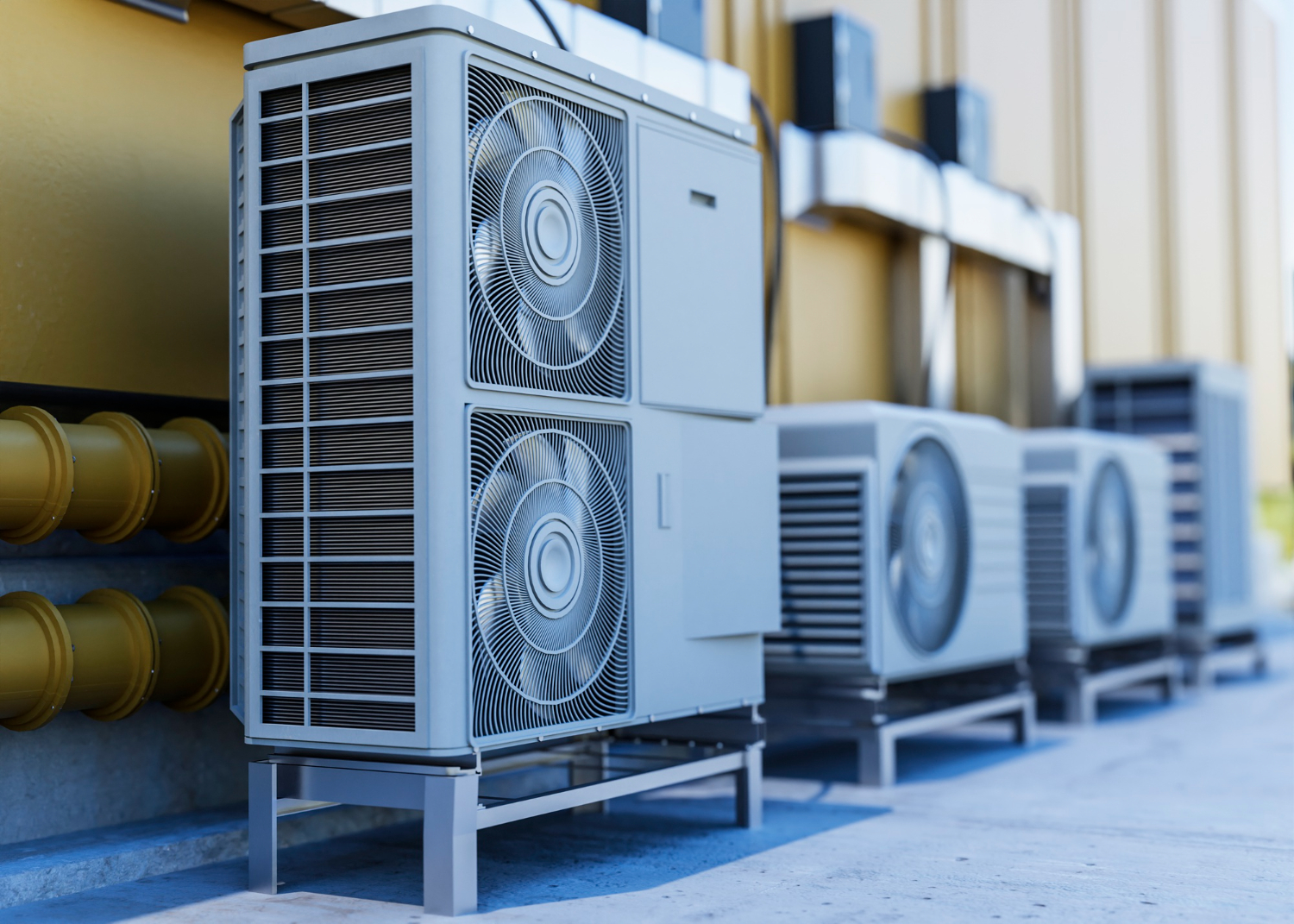
So much of a heating system lives outside, exposed to the worst parts of winter. We’ve seen how quickly a boiler struggles when outside pipework freezes or a vent gets blocked with snow. That’s why we check how well our outdoor lines are wrapped and whether vents are clear.
Frozen drain lines, in particular, can cause major shut-offs. If condensate can’t escape, pressure builds, and safety features kick in. It’s a problem we see in London buildings often, especially where older equipment wasn’t installed with winter in mind. For areas exposed to wind tunnels or open yards around the property, we look for spots where cold could creep in overnight.
Here are a few quick things we double-check around outdoor boiler components:
• All pipework has proper insulation
• Drain lines slope correctly and aren’t backed up
• Vents and flues aren’t blocked by snow or rubbish
• The system housing is fully closed and anchored
These might seem like small checks, but they help prevent a breakdown when a cold front blows through.
Keep Backup Heat Options Ready
Even with the best planning, heating systems can still fail during a bad storm. If a boiler locks out, stalls mid-cycle, or shuts down completely, we don’t want to be caught without a backup. Temporary heat becomes the bridge that keeps things running.
Having access to commercial boiler hire lets us act fast when there’s no time to waste. But speed only helps if the site’s actually ready. We make sure the route into the plant room or back service areas is accessible in bad weather. There’s no point in arranging support if snow or fence locks hold up the job.
Keeping a backup option nearby, even if it’s just temporary, gives us room to make repairs or adjust settings without causing delays to the rest of the operation. It also keeps occupants safe and helps stabilise indoor temperatures until the main boiler is fixed.
Train Your Team for Cold Weather Response
People on site often know first when something’s off. That’s why it matters that our staff are confident in how to respond. When a system gets noisy or rooms feel cooler than they should, quick thinking can stop the issue from spreading.
We create simple checklists so people know what to look for and who to call. Staff shouldn’t try to fix a frozen pipe or reset a boiler on their own, but they can check if vents are iced over or clear space around a unit before help arrives. Internal communication works best when everyone knows the basics.
Some of the things we include in our winter prep training:
• Spotting signs of a heat loss, like cold spots or weak airflow
• Knowing where emergency shut-off points are in each zone
• Keeping emergency heat sources out of blocked storage areas
• Posting contact numbers for boiler maintenance and heating hire support stations
When a team is ready, it’s easier to stay calm under pressure. That means fewer mistakes, faster decisions, and steadier conditions all around.
Stay One Step Ahead with Ongoing Maintenance
We don’t just check our systems once and hope for the best. Staying on top of heating reliability means doing regular upkeep, even when it feels like nothing’s wrong. A quiet boiler doesn’t always mean everything is perfect.
We run through a few quick checks every week, especially when the forecast looks worse. This keeps small issues from turning big when heavy weather hits. Our go-to steps include:
• Bleeding radiators to release air and keep things flowing
• Watching boiler pressure to avoid low output
• Topping up water levels only if they’re dipping
• Checking that control panels respond as usual
Storms can reveal weak points fast, but ongoing care helps us avoid surprises. If we catch a possible problem early, there’s time to react before the next freeze.
Keep Warm When It Matters Most
February in London doesn’t give much warning. It might seem fine one day, then snow and wind push systems past their limits overnight. Instead of waiting for that moment, we take small steps ahead of time that pay off when needed most.
From regular checks to proper outdoor protection, every action builds confidence. By the time storms arrive, we’re not scrambling for answers. We’ve already set up what we need, so the building can keep going, even in the middle of a freeze.
We know how quickly winter can push heating systems to their limits, so having support ready when things go wrong matters. That’s why we always keep our access routes clear and our backup plans simple, especially when extreme cold hits London. When downtime isn’t an option, our go-to solution is fast, reliable support through commercial boiler hire that keeps everyone safe and warm until repairs are sorted. At London Climate Hire, we’re prepared to step in when heating systems can’t keep up. For extra cover this winter, contact us to talk through the options.