
Winter in London doesn’t usually wait for your heating system to cooperate. When temperatures drop and there’s no time to waste, being without heat can knock out entire operations. That’s why having a plan in place for a temporary boiler rental in London makes such a difference. Whether you’re managing a construction site, a commercial space, or an event venue, knowing how to handle the rental process keeps things calm instead of chaotic.
Sorting a rental might seem simple at first, but it involves more than just choosing a unit and plugging it in. Weather, building layout, access, and timing all play a part. To help make it easier, we’ll break the process down by what needs to happen and when, starting from the early days when things are just getting cold to the final moment the equipment is taken away.
Planning Ahead Before the Cold Hits
We usually get the first bite of winter in London by early December, so there’s plenty of sense in planning a boiler rental before things turn icy. Don’t wait for your heating system to stop working. Identify pressure points in your building or operation that could become a problem if warmth suddenly disappears.
Some environments are more prone to heating needs than others. Sites like hospitals, schools, warehouses, or older office buildings tend to rely heavily on consistent heat and may not handle downtime well. Events and temporary venues that pop up over the winter holidays are in the same boat. These setups often lack a permanent solution and need a stopgap heater to get through a few cold weeks.
There’s also the surge in demand that comes in the thick of winter. Boilers break down more frequently when working overtime, and rental availability tightens during peak season. That’s why we always suggest building in a little buffer. It means less pressure, better choices, and a smoother delivery process when the time comes.
What to Look For in a Boiler Rental Setup
Not every boiler works in every space, so getting the right match matters. A few key details will push your rental in the right direction from the start.
• Size: Bigger isn’t always better. Choose a unit that fits your building’s current heat loss and usage levels. Oversized models are wasteful, and undersized ones won’t keep up.
• Fuel Type: Some sites support only electric models, while others offer gas or diesel options. Check what’s allowed and what works best for the size and shape of your space.
• Airflow and Exhaust: A boiler needs to breathe, and that means planning for ventilation. Make sure the system’s exhaust routes safely away from workspaces, entrances, and foot traffic.
Your space should also allow for delivery without major changes. If possible, walk the site ahead of time and look at door widths, gradients, loading access, and how far the unit will sit from power or water points. The smoother that part of the process runs, the less downtime and disruption to your day.
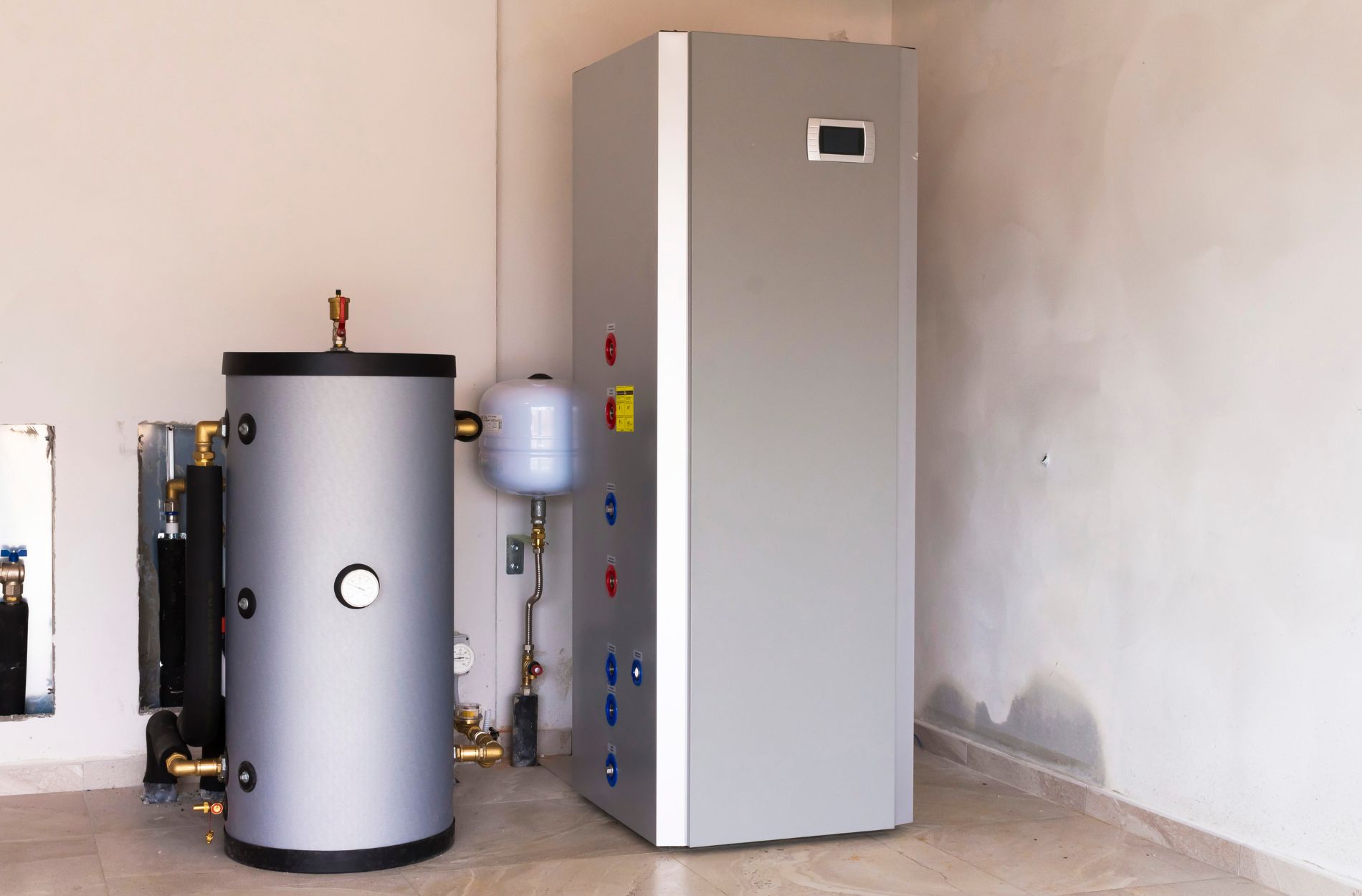
To help meet varied heating requirements, we offer a wide selection of temporary boilers ranging from compact mobile units to larger commercial models. These options ensure there is a suitable solution for small-scale emergencies or larger facilities with pressing winter demands.
Coordinating the Delivery and Installation
Once you’ve sorted the right model, the next step is the delivery. Cold weather can slow things down in London, especially with traffic and icy roads. Planning ahead and building in some flexibility goes a long way.
On the day the boiler arrives, the unit will need to be offloaded, rolled or lifted into place, and connected to your system. This isn’t the time for guesswork. Our professional crews come with lifting gear, safety equipment, and layout plans, so nothing gets left to chance.
We always recommend leaning on installation support rather than trying to patch something together internally. Not just for safety reasons, but because connection points, power use, and heat distribution all need technical handling. It’s faster and safer when proper steps are followed, even if it takes extra planning upfront.
A key benefit of our service is the availability of 24/7 emergency response. This means that when urgent heating problems arise during the winter months, efficient technical support and swift delivery are available around the clock, helping businesses minimise downtime.
Keeping Things Running Smoothly During the Rental
Once your boiler is running, it’s still worth checking in every now and then. Temporary systems are built to stay steady, but a few simple habits can stop small issues from becoming large ones.
• Check temperature readings each day to make sure things are holding as expected
• Listen for changes in noise or smell, both signs something might be off
• Keep pipes and hoses clear from snow, ice, or debris that can block airflow or drainage
Weather in London is hardly static. One day might bring mild drizzle, while the next starts with frost. Make sure covers are properly fitted, water tanks are protected, and the setup has somewhere dry to rest. Avoiding water build-up or frozen lines can keep everything ticking along without drama.
Taking Down the System When It’s Time
When the hire period ends, it’s not just about switching the system off and pushing it out the door. Disconnection needs care, both to avoid damage and to keep your building safe during the transition.
Start by scheduling removal early so you can stick to timelines and minimise clash with other activities. Crews usually handle the dismantle in the reverse of how they set things up: safe shut-off, drain the system, unhook power and water connections, and load the unit for transport.
Once the space is clear, it’s a good chance to check for temporary damage, anything like scuffed flooring, loose panels, wet spots on walls, or subtle power changes. If the space is headed straight back to business, a quick review saves hassle later.
Managing Winter Boiler Hire in London
Heading into winter, being proactive is key to preventing heating interruptions. Choosing an experienced rental provider means you benefit from complete technical support from initial planning and specification through to installation, monitoring, and removal.
Whether you’re running a hospital, overseeing construction, or hosting winter events, proper preparation and a trusted boiler hire partner remove the guesswork and deliver peace of mind.
Planning ahead or dealing with an unexpected breakdown calls for knowing what goes into managing a smooth boiler hire from start to finish. Staying warm during a London winter doesn’t have to be stressful when you have the right setup and support in place. Should you need help sorting a temporary boiler rental in London, we’re ready to keep things safe, quick and reliable. At London Climate Hire, we’ll make sure your heating stays steady no matter the weather. Give us a call and let’s get things moving.