
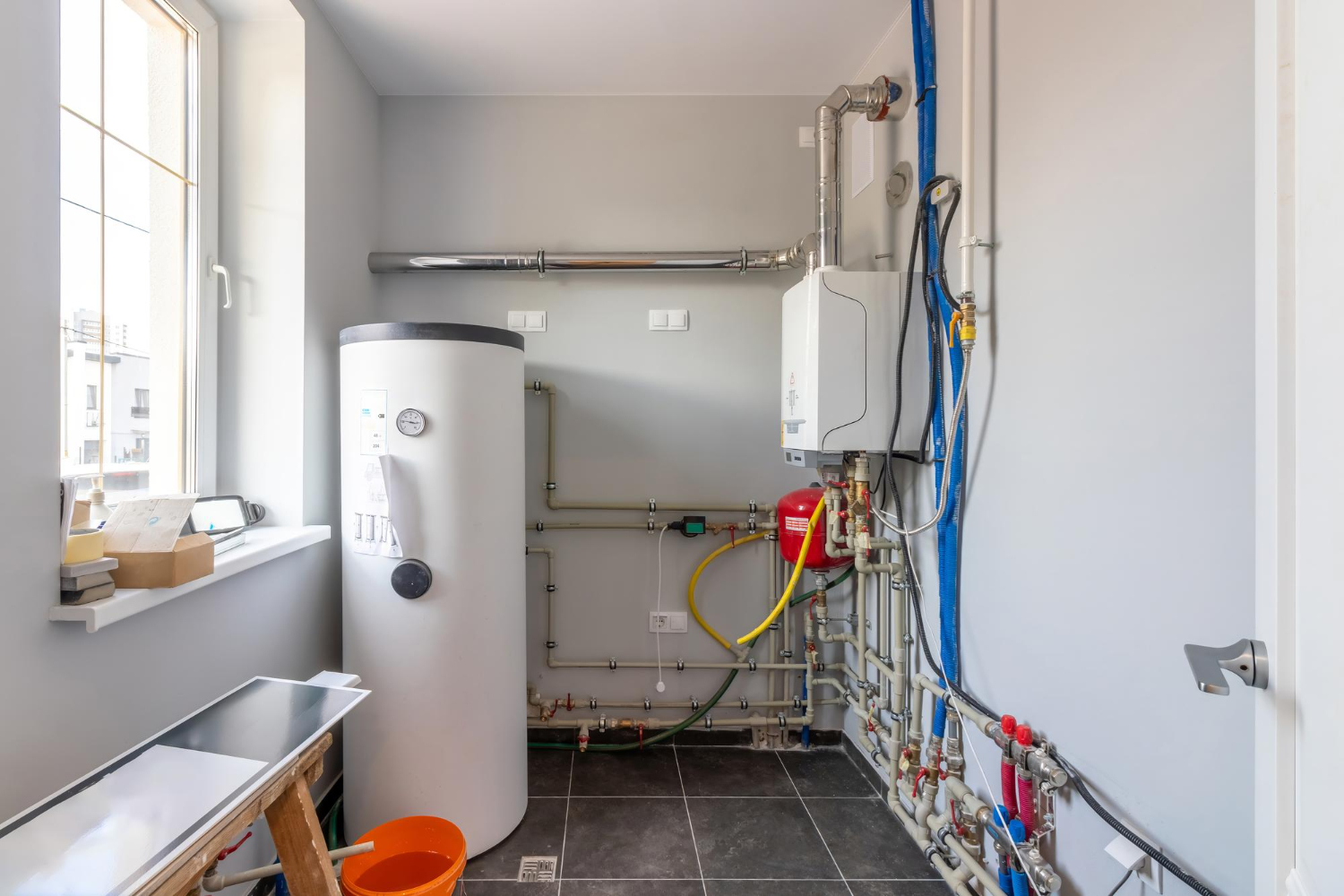
Condensing boilers are designed to be more efficient than traditional systems, recovering heat that would normally be lost. But like any system, they can drift from peak performance over time. A boiler might still run, but in small ways, it might not be working as efficiently as it should.
As we head into March, heating demand in London starts to ease up a bit. It’s a good point in the year to check over your setup while it’s still operating regularly, but before spring fully kicks in. A commercial condensing boiler service can help spot things early, before they become serious problems. Here’s a look at some telltale signs of slipping efficiency and what might be causing them.
Check for Odd Temperature Swings
You probably know your building well enough to feel when something’s off. One of the first signs of a boiler losing performance is uneven heating. If some parts of your space feel warm but others remain chilly, it’s worth paying attention.
These changes usually don’t happen all at once. You might notice certain areas taking longer to warm up in the morning or the heating cutting in and out more than usual. Common causes include:
- Circulation problems, where hot water isn’t reaching all parts of the system
- Air or debris trapped in radiators or pipes
- Valve or pump faults that reduce flow
A simple way to stay on top of this is to monitor how long it takes for each area to reach a comfortable temperature. If that time is creeping up, it’s a nudge to look closer.
Keep an Eye on Fuel Usage
Fuel bills don’t usually spike without a reason. When we spot a jump but nothing major has changed on site, it’s often linked to a boiler working harder than it needs to.
Some signs are easy to miss. Short-cycling, where the boiler turns on and off too often, burns more fuel but delivers less steady heat. Overshooting set temperatures or running longer than expected twice a week adds up. If your system seems to be always on but the space still feels cold, it may be losing efficiency behind the scenes.
It helps to compare seasonal usage over the past couple of years. A steady rise without any other explanation is worth getting checked.
Look (and Listen) for Signs of Wear
Boilers usually don’t break overnight. Most send out little clues first. We always recommend paying attention to changes in sound and appearance before something stops working fully.
Here are a few things to watch and listen for:
- Strange sounds like banging, gurgling, or humming that weren’t there before
- Leaks, rust, or water staining around the boiler or pipes
- Low pressure, constant need for resets, or error codes on the display
These small clues often show up before a major issue kicks in. Catching wear early can prevent more costly repairs later, especially if the system shuts down during a cold snap.
When the Controls Don’t Match the Output
Sometimes, the heating controls say one thing, but what you feel in the room doesn’t match. That’s another early warning flag. It can mean the sensors, thermostats, or time settings are no longer lining up with how the system runs.
This miscommunication leads to wasted energy. A heating zone might stay on all night, or a room might stay cool even though it’s set for far higher. Before fiddling with the controls too much, consider that the system might be misreading data from worn-out sensors.
Make a habit of checking that your controls match what’s happening in each zone:
- Scheduling and timed controls match actual occupied hours
- Room temperature settings feel accurate
- Different areas are heating as intended, not all behaving the same regardless of settings
Small corrections here keep comfort levels steady without wasting fuel.
How Regular Checks Make a Difference
A big part of keeping condensing boilers efficient is how often they’re checked. Even if everything seems fine, regular service makes sure it stays that way.
During a check, engineers look beyond what you feel on the surface. They tune settings, look for early hints of wear or buildup inside the heat exchanger, and make sure everything works as intended. A commercial condensing boiler service takes the guesswork out and catches the small faults that slow things down gradually.
Think of it like cleaning your filter before there’s a clog. The system might still run, but it’s doing more work for less result.
Keeping Things Running Smooth as the Weather Changes
By March, London starts seeing milder mornings and fewer days with the heating on full power. That drop in demand makes it easier to spot efficiency wins that go unnoticed during higher-use periods.
Now’s a smart time to look things over. Catching problems as the season changes means you can sort them calmly rather than waiting until cold weather hits again. It keeps things safer and cheaper without having to rush fixes at the worst possible moment.
Each check done now helps the system come back stronger next winter. It’s not about overhauling everything, just keeping things ticking over properly so heating quietly does its job in the background. With these early habits, you stay ahead of problems and avoid the headaches that extra wear and wasted fuel can bring later on.
When your building’s heating has become inconsistent or less responsive, it’s important to assess the boiler’s performance sooner rather than later. Catching subtle changes early can help avoid bigger problems and keep everything running efficiently. A thorough check can reveal worn parts, incorrect settings, or other minor faults that reduce performance over time. To keep your system operating smoothly as the seasons change, book a commercial condensing boiler service with London Climate Hire. If you have any concerns or need expert guidance, reach out and our team will be happy to help.