
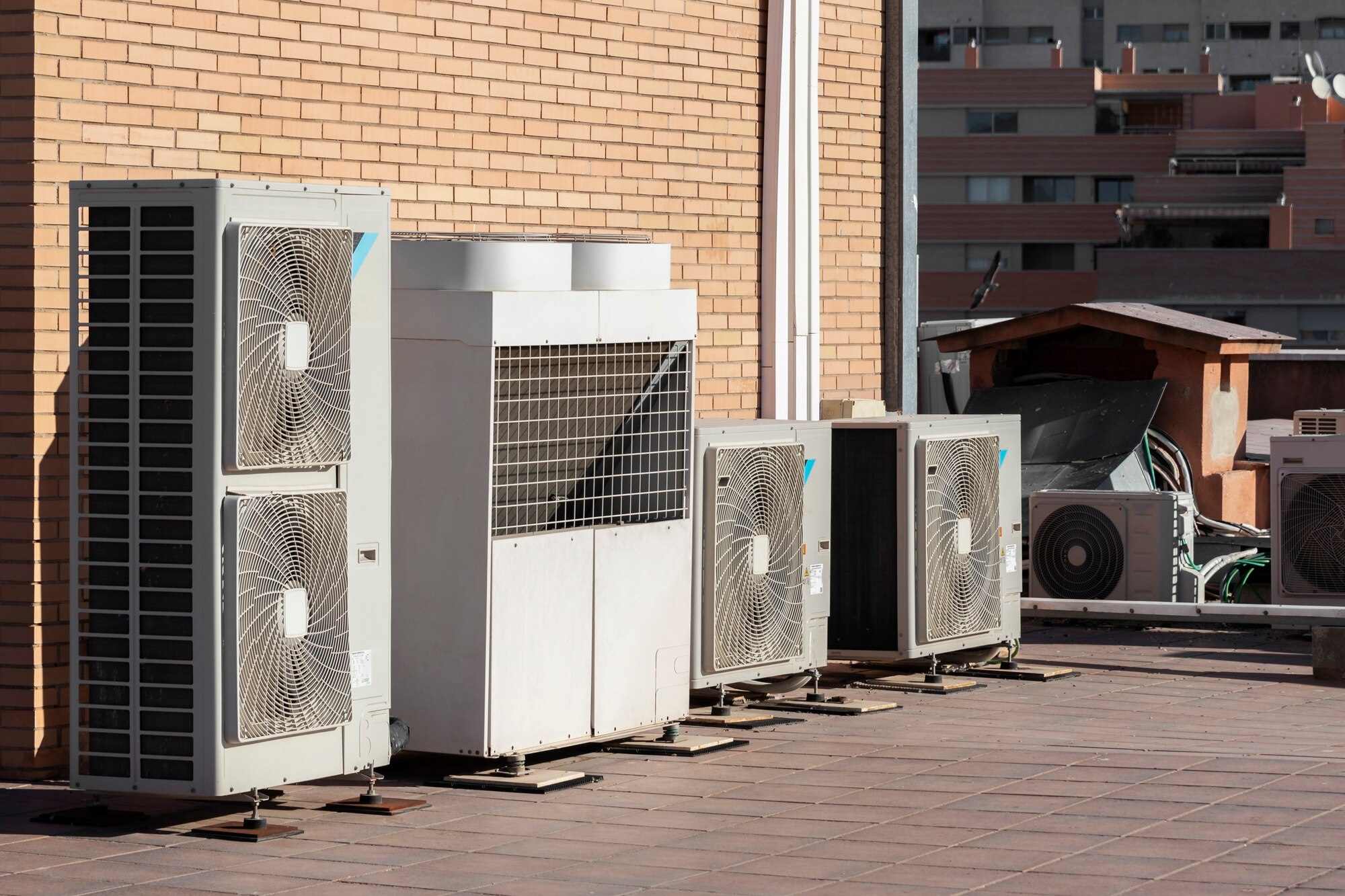
When cold snaps hit London in February, most of us think about how to stay warm. But the drop in temperature can also catch chillers off guard. These systems, usually associated with summer cooling, often struggle when the mercury plunges. It’s not just about staying cool when it’s hot. Chillers are part of many year-round operations, including manufacturing lines, server rooms, and commercial buildings that need stable climate control.
We’ve seen how cold spells can send chillers into a tailspin. That’s where good planning matters. Industrial chiller hire can offer a buffer when low temperatures affect performance, giving sites a backup when their usual setup can’t keep up. Before things freeze over, it helps to understand how cold weather changes the way chillers work and what can be done about it.
How Cold Weather Affects Chiller Performance
Chillers are built to manage heat, but when it’s too cold, they can go into defensive mode. Freezing conditions can reduce chiller efficiency or even cause units to shut down to protect internal parts. This is more than just inconvenient. For some facilities, even a short downtime creates delays that ripple through the workflow.
Low outdoor temperatures can lead to problems like frozen coils that block airflow or damage the unit. Compressors sometimes struggle because the oil thickens, affecting how parts move. Another common issue is the low ambient temperature tripping built-in sensors that weren’t meant to operate in winter conditions.
Some chillers are designed with summer use in mind. When winter hits, the settings might need changes to keep things running safely. That could mean adjusting control limits or using extra equipment to maintain balance. The colder it gets, the more likely regular operations will need a closer look to avoid misfires and breakdowns.
The Impact of London’s Urban Climate
London’s city layout brings added trouble during freezing weather. Buildings trap cold air in shaded areas, and wind passing through narrow streets creates sudden gusts that chill exposed units. These microclimates mean that even if the forecast isn’t terrible, the temperature right around your building might dip much lower at night.
Different sites feel the cold in different ways. A low-rise storage facility might hold heat better than a tall office block filled with glass panels. Chillers placed near open alleyways or in uncovered spaces are more exposed to frost than those tucked into better-sheltered zones.
Older properties bring their own set of challenges. They’re often fitted with chillers that were retrofitted years ago, placed in spots that weren’t designed with winter use in mind. Insulation isn’t always consistent, and that allows more cold air to reach parts that should stay stable. That’s when small drops in temperature can create headaches that take days to fix.
When Backup Cooling Becomes Critical
In many industries, chillers work in the background, quietly keeping things steady. But when the system can’t adjust to a sudden cold front, the problems show up fast. Places like data centers, food processing plants, and manufacturing lines don’t have time to wait for repairs.
Sensors can fail without warning when they detect frost. Pressure inside the system changes. Fans slow down. All these things can interrupt day-to-day tasks. And when there’s no time to reprogram everything on the spot, backup cooling becomes more than just a helpful option.
That’s where industrial chiller hire can play a part. Having temporary chillers available for short-term use can stop delays from turning into bigger disruption. It gives room to troubleshoot faults without shutting down the whole operation. London Climate Hire specialises in short and long term chiller hire in London and nearby counties, with 24/7 hire and support so temporary units can be installed quickly when conditions change. In busy sectors where there’s no pause button, that kind of backup can make a big difference when the cold hits harder than expected.
Planning Smart for Winter Conditions
Once winter is here, there’s often less time to make changes. That’s why it helps to start thinking ahead. Starting before the season changes lets us plan for colder conditions without panic.
Some steps we often take include checking ambient temperature controls to make sure they react properly when things drop. Regular off-season testing can help flag issues that won’t show up when the weather’s warm. We’ve also seen that using weather shields or lightweight enclosures helps protect vulnerable units from sudden frost stretch.
Here’s what we look at before winter kicks in:
• Do chillers have a low ambient kit or can one be added at short notice
• Are the units placed somewhere exposed to high winds or deep shade
• Is the control software set to handle temperature drops under 5°C
• Can fans and compressors be monitored remotely for quick checks
Cold snaps often hit hard with little warning. The faster we can react, the more likely we are to avoid full shutdowns or equipment stress. Some hire chillers are specifically engineered for low ambient conditions, such as a 300 kW model that can operate in outdoor temperatures down to around -45°C, adding extra protection when winter weather is at its worst.
Why a Little Planning Pays Off Big
Colder weather doesn’t just make us adjust our jackets, it changes how chillers behave on the job. When equipment that usually runs smoothly in summer starts acting up during February freezes, we know it’s time to respond fast. The knock-on effects from a sudden chiller freeze-up can reach across teams and put hours of work on hold.
But planning ahead can help stop that. When we understand which systems need a hand in winter, we can line up the support that keeps things moving. And if the setup starts to slip, having short-term help like industrial chiller hire means there’s a way to keep going without waiting on full-system changes.
Even in cold seasons, operations can stay smooth. It just takes a smart look at the risks that don’t always show at first glance. Cold doesn’t wait. Neither should we.
At London Climate Hire, we understand how unpredictable February in London can be and know your system might be feeling the effects of cold weather or sudden freezes. Our flexible cooling solutions offer reliable short-term support, helping you keep operations steady while you make adjustments or carry out maintenance. Explore our options for industrial chiller hire if you need dependable backup or seasonal cover, and contact us today to discuss the best fit for your site.