
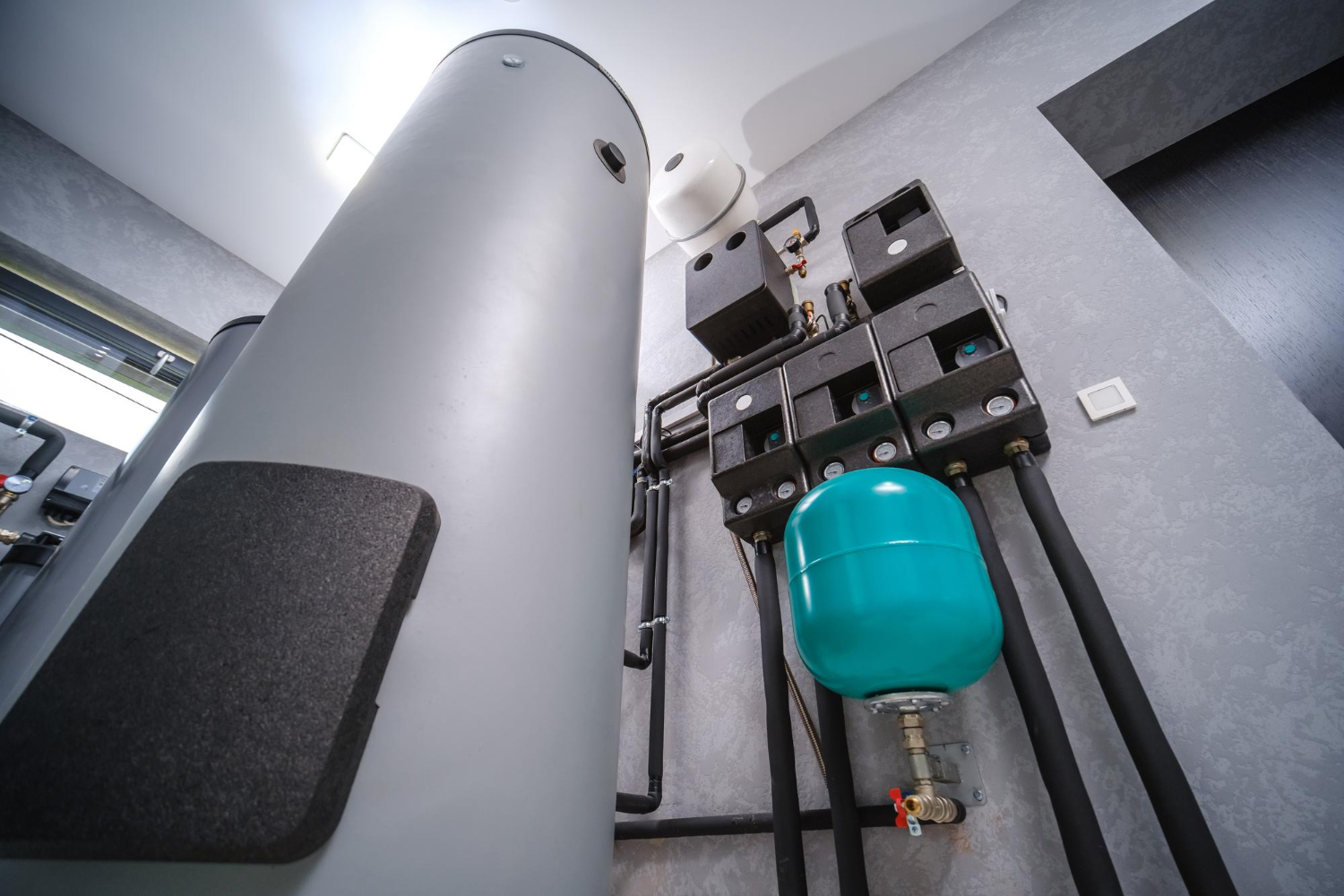
Getting boiler size right isn’t just a technical detail. It’s what keeps buildings warm, equipment working, and people comfortable. When planning a temporary boiler rental in the UK, load calculations help make sure everything runs without a hitch. That becomes even more important in places like London, where spring can swing from chilly to mild within the same week.
This is where proper planning makes a difference. Load calculations tell us how much heat is actually needed by looking at how the space is used, what’s inside, and how the weather might shift. London Climate Hire provides temporary boiler rental with London and nationwide coverage, using quick delivery and straightforward installation to reduce downtime when systems need support. In this post, we’ll go through the basics, explain why getting it right matters, and show where professional insight comes in. It’s all about staying ahead so things stay steady, even during short-term changes.
Why Load Calculations Matter for Temporary Boilers
Boiler size affects how well things work on site. If a boiler is too small, the space won’t stay warm. If it’s too big, you’re likely wasting energy and putting extra strain on the equipment. A proper load calculation helps avoid both.
Getting it right also supports safer operations. Boilers that run too hard for too long can wear out quickly or cause uneven heating. If the load is estimated well, the system runs smoothly and lasts through the hire period, without surprises.
Spring weather creates another layer to think about. In early April, indoor heating may still be needed, especially mornings and late evenings. But if a warm front rolls in, the indoor conditions can change fast. Having the correct load number helps us plan for this kind of shift so the system doesn’t lag or overreact.
Key Factors That Affect Load Calculations
There’s no one-size-fits-all number. Instead, we look at how each site behaves, from size to usage patterns to ventilation. Here are the major inputs
- The size and layout of the space
- What the space is used for, offices, construction sites, storage
- The number of people working or moving through the area
- Equipment already in place that gives off heat
- Ventilation systems and building materials
- Local outdoor temperatures during early spring
In London, even short sunny spells can raise daytime highs, while evenings still drop. That’s why looking at averages alone doesn’t give the full picture. We need to think about how the space handles those temperature swings and how stable things need to stay inside.
How Load Is Measured and Planned
Most of the time, heating load is measured in kilowatts. We calculate it by looking at how much heat needs to be added to keep the space at the right temperature. For buildings that lose heat quickly, that number will be higher.
A few measurements matter here. We look at the size of walls, windows, and doors. We check how well those surfaces hold heat or let it out. We also note if the space is open plan or split into zones. These details matter during both delivery and setup, since they affect how we connect pipework and where the boiler is placed. Our hire range runs from simple 22 kW electric boilers through to 300 kW and 600 kW boiler plant rooms, so calculated loads can be matched closely to the most suitable unit rather than forcing a compromise.
We usually complete a site survey before delivering the equipment. Walking the site helps us spot any features that might change what size boiler is needed, from high ceilings to unexpected air leaks near entrances.
When to Rely on Professional Input
It might look easy to pick a boiler based on square footage, but that doesn’t take into account all the things that make every site different. Guessing the load can lead to a system that doesn’t keep up, or one that cycles on and off too often, which ruins performance.
Professional input bridges that gap. We use set methods to measure things properly, then check those numbers against real building conditions. That way, even when the weather behaves unpredictably, the setup can adjust without causing a disruption.
Spring brings the kind of mild but variable weather where over- or underestimating the load can quickly lead to comfort problems. If heating feels patchy or rooms swing in temperature, it’s usually a sign something in the load plan was missed.
What Proper Load Planning Looks Like in Action
During a temporary boiler rental in the UK, good planning often starts with identifying what will be heated and how consistently that heating needs to be. A system placed for a site upgrade, for example, will need pinpointed support for certain working zones. In an emergency repair case, the need might cover the entire building.
Some of the most common situations where load planning pays off include
- Office buildings undergoing HVAC upgrades
- Construction sites using portable buildings with no built-in heating
- Facilities with heat-sensitive equipment like server spaces or storage units
- Public buildings open to visitors or staff during equipment swaps
In all of these cases, good communication between the building manager and heat provider lets everything move faster. Everyone knows where challenges might come up and can adjust if the weather turns unexpectedly warm, or stays cold longer than planned.
A Smarter Way to Manage Temporary Heating
Getting load sizing right means staying ahead of potential temperature swings and keeping everyone comfortable. That applies even more during shoulder seasons like early spring when daytime and night-time conditions differ.
When we spend time upfront checking loads and walking the site, it shows later in better performance. The right fit avoids disruptions, supports site comfort, and makes the whole heating plan run more reliably. That’s worth the effort when so much depends on the system doing its job without drawing attention to itself. For urgent situations, London Climate Hire also operates 24/7 emergency boiler hire, so correctly sized temporary plant can be brought online quickly when an unexpected failure occurs.
At London Climate Hire, we understand that maintaining steady heating during seasonal changes is important for your project in or around London. Our team is ready to help you find heating support that fits your specific space and requirements. Knowing your heat demand from the start makes it easier to get the right system in place. Learn more about how a properly sized temporary boiler rental in the UK can keep your operations running smoothly without unexpected issues, and give us a call to discuss the best solution for your site.