
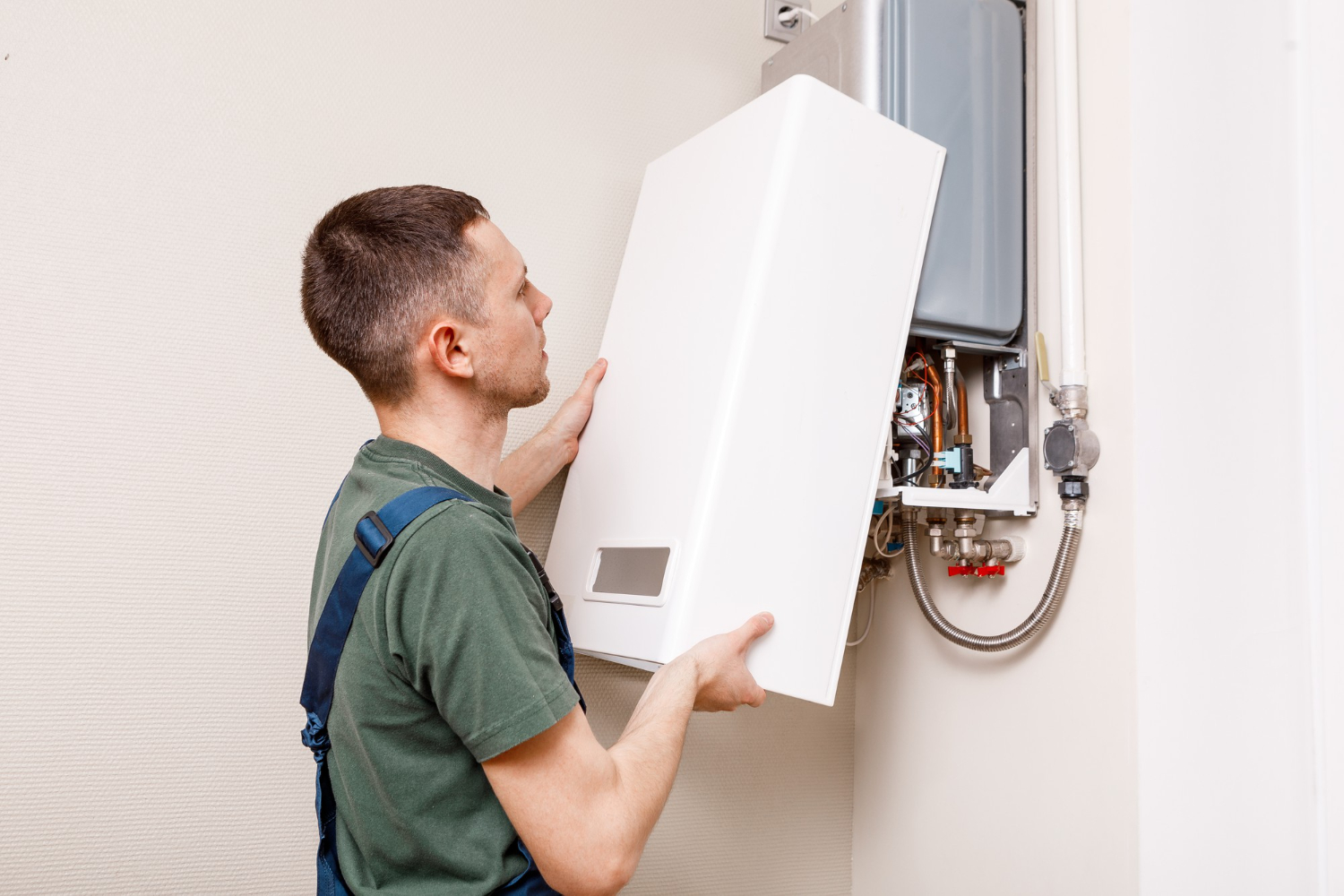
Waking up to no heat on a freezing January morning in London is the last thing anyone wants, especially when a condensing boiler has stopped working overnight. London winters can dip below zero, and when temperatures fall fast, problems like frozen boilers aren’t far behind. These kinds of issues often show up after sunset, when the cold sets in and lingers until morning.
When a condensing boiler freezes, it usually stops heating altogether. That’s because water collects in the condensate pipe and freezes solid, blocking the system. Once that happens, the boiler shuts down to prevent damage, leaving the building cold and the system offline. If you need things back up quickly, condensing boiler hire in London can keep things running while repairs are dealt with, and London Climate Hire is on call 24 hours a day, 7 days a week for commercial boiler hire services.
What Causes Condensing Boilers to Freeze?
Condensing boilers work by collecting water vapour from burnt fuel, then cooling it down until it turns into liquid. This water drains away through a narrow plastic pipe, called the condensate pipe. When it gets very cold at night, that pipe can freeze, especially if it runs outside or through an unheated area.
In London, the kind of weather that pushes boilers to freeze includes:
• Frost settling on surfaces overnight
• Wind chills making outdoor pipes drop below zero
• Clear nights where the temperature drops sharply after dark
Once this pipe freezes, the water can’t drain, which triggers the boiler to shut off for safety. You might see fault codes on the display, or the system might just stop producing hot water and heating. Some boilers hum or click unusually before shutting off. All of these are clues that a frozen pipe might be the cause.
First Steps When You Discover a Frozen Boiler
The signs often appear first thing in the morning. Heating hasn’t kicked in like it should, radiators are stone cold, and there’s no hot water. For businesses or buildings that operate early, this can cause a scramble.
In these moments, it’s best not to try fixing the issue without knowing the risks. Heating systems are complicated, and trying to restart a frozen boiler can do more harm than good. That includes trying to manually thaw pipes using direct heat or hot tools, which might crack the plastic or damage nearby wiring.
Instead, the safest path is to:
1. Switch the boiler off completely at the mains
2. Leave the heating system alone to avoid pressure building
3. Bring in qualified help who can identify the problem and get things moving again
Knowing when not to touch the system is just as important as knowing when to act. It might seem quicker to try something yourself, but the risk of lasting damage is rarely worth it.
How to Keep a Site Running While the Boiler Is Down
No heat means conditions drop fast, especially in large or open buildings. While a technician is on the way, there are a few temporary steps that can help keep the space workable. These won’t fix the heating issue, but they can provide enough warmth to avoid serious disruption.
Some simple ways to retain heat include:
• Keeping doors and windows shut to stop cold air entering
• Using commercial-grade portable heaters in key zones
• Closing off unused areas to hold heat in vital rooms
That said, if the boiler is completely down and won’t be back online for a while, temporary heating becomes more than just a short-term option. That’s when condensing boiler hire in London makes sense, especially in places where heat is critical for safety, comfort, or equipment.
A backup boiler can step in and run quietly alongside day-to-day activity, buying time for repairs without halting operations. Hire options include energy-efficient condensing boiler plant that can provide heating and domestic hot water simultaneously, with capacities from around 125 kW up to larger multi-boiler plant rooms for bigger sites.
Planning Ahead for London Winters
London winters don’t ease up right after New Year’s. January and February bring some of the coldest mornings, and it’s often when heating systems are pushed the hardest. Planning ahead during quieter periods can save stress later.
Things like freezing temperatures, strong winds, and icy conditions usually return several times during this part of the year. For commercial buildings, that means scheduling checks ahead of time can make a noticeable difference.
A few small habits to build into cold weather planning are:
• Inspecting condensate pipes and lagging before deep winter
• Running full heating checks in early December
• Keeping emergency numbers handy in case of breakdowns
The truth is, even a well-maintained system can struggle during a hard freeze. Having a heating backup in place, with service contacts ready, gives peace of mind when the weather turns again.
Staying Warm and Avoiding Delays
Frozen boilers are a regular part of winter in London, especially when the temperature drops overnight. If it happens, it doesn’t need to stall the whole day. Acting with care, knowing the limits of a quick fix, and having alternative options ready are key to keeping things moving.
The best way to handle it is to stay one step ahead. When frost returns sharply in early January, problems can show up with little warning. But with the right approach and a plan to keep heat flowing, even a frozen boiler doesn’t have to throw everything off course.
Facing heating issues as winter sets in? Whether you’re overseeing a construction site, running a school, or managing a commercial property, having backup heat on hand is important when temperatures suddenly drop. We support businesses across London with fast and reliable solutions like condensing boiler hire in London when your systems are down or repairs can’t happen right away. At London Climate Hire, we’re here to help you get everything sorted quickly, just give us a call to get started.